A gas furnace works hard in Middlefield, and it shows. By late October the overnight lows close in, moisture creeps into venting, and any weak part begins to complain. A seasonal tune up keeps that stress from turning into a breakdown. It protects the home from carbon monoxide risk, cuts gas use, and stretches the life of costly parts. Direct Home Services has seen how a one-hour visit in fall can prevent a no-heat call during a January snap.
This article explains what a tune up really covers, why it matters for natural gas and propane systems in Middlesex County, and how smart maintenance supports comfort and lower utility bills. It also outlines what local homeowners in Middlefield, Rockfall, and the 06455 area can expect during a service visit from a NATE-certified, CT S-1 licensed technician.
What a Tune Up Does for a Gas Furnace
A proper tune up targets the parts that drive combustion, airflow, and safety. The work reduces strain, restores design performance, and catches hazards early. On modern high-efficiency condensing furnaces, maintenance also prevents water damage and corrosion within the secondary heat exchanger and drain system.
Direct Home Services treats an annual tune up as a technical inspection followed by adjustments. The goal is simple: safe flame, steady airflow, clean sensors, tight venting, and correct controls. For Middlefield’s climate, this balance prevents short cycling during quick temperature swings and supports even heating across rooms.
Why Middlefield Homes Benefit More Than Most
Middlefield sits in a semi-rural pocket with sharp seasonal swings. A windy night over Lake Beseck can drive infiltration through older windows and attics. Colonial ductwork in Rockfall might mix round pipe with flex runs. Furnaces near the Coginchaug River often see higher humidity and longer shoulder seasons. Each factor stresses a forced-air system in a different way. A tune up normalizes these variables, so the furnace does not have to overfire, trip on the limit switch, or run the blower longer than needed.
Cold snaps near Powder Ridge push furnaces into marathon cycles. That is when a weak ignitor fails, a dirty flame sensor locks out ignition, or a borderline draft inducer motor starts to whine. The simple choice is to prepare in early fall. Direct Home Services performs many $99 Seasonal Furnace Safety Inspections ahead of the first frost, which gives clients a calm start to winter.
The Safety Wins Homeowners Can Measure
Carbon monoxide risk comes from two issues: poor combustion and a path for exhaust to enter the home. A tune up tackles both.
Technicians inspect the heat exchanger for cracks and hot spots that a flashlight can miss. They look for staining patterns, use mirror tools, and check combustion readings. On condensing models, they also examine the secondary exchanger for scale and corrosion from improper drainage.
Combustion quality shows in the burners and flame. A steady blue flame with small yellow tips indicates correct air-to-fuel mix. A floppy yellow flame suggests a dirty burner or a venting problem. High-efficiency units have pressure switches that confirm proper draft; a failing draft inducer motor can cause nuisance shutdowns or, worse, spillage. During a tune up, the team confirms inducer operation, clears vent screens, and checks the vent pipe for sag or separation.
Gas leaks are rare, but joints still receive a quick check with leak detection solution around the gas valve and union. Electrical safety matters too. Loose low-voltage connections lead to intermittent calls for heat that mimic bigger problems. Tightening these connections and verifying proper ground helps stop control board wear.
Finally, flame sensors and ignitors get special attention. A dirty flame sensor will cause an ignition cycle to abort after a second or two. Cleaning the sensor with fine abrasive helps the board read flame properly. A worn hot surface ignitor can look intact but fail under heat; the technician tests resistance to predict near-term failure.
Efficiency Gains That Show Up on the Bill
Efficiency starts with airflow. A plugged air filter forces the blower to work harder and reduces heat transfer across the heat exchanger. Direct Home Services often finds MERV 13 filters that protect air quality but starve older blowers. In homes with allergy needs, they suggest a MERV 11 or a media cabinet with a larger surface area to keep airflow in range. On variable-speed blowers, they confirm fan programming and static pressure to prevent wasted watts and noise.
Gas input and temperature rise fall next on the list. During a tune up, the technician checks manifold pressure at the gas valve and measures temperature rise across the furnace. This confirms that the furnace is burning the right amount of fuel and that the duct system can carry the heat away. If the rise is above the nameplate range, the furnace risks heat exchanger fatigue. If it is low, heat is slipping past without reaching rooms, or the blower speed is set too high.
Condensing furnaces require clean condensate drains to deliver 90%+ AFUE performance. A slow drain backs water into the secondary heat exchanger and strips heat transfer. Clearing the trap and flushing the line restores rated output. On cold nights in Middlefield, that can be the difference between a comfortable 70 degrees and a system that never quite catches up.
Smart thermostats help, but only if they are configured correctly. Short, frequent cycles point to aggressive swing settings or poor staging on two-stage and modulating units. A tune up visit includes checking thermostat settings, confirming sensor location away from drafts, and verifying staging logic so the furnace runs in low stage longer for steady comfort.
Signs a Tune Up Is Overdue
Short cycling, a metallic banging at start-up, and a sulfur or burning smell signal stress or failure in key parts. A furnace that takes several attempts to light likely has a dirty flame sensor or a weak ignitor. A whistling return or a booming burner ignition points to airflow or delayed gas ignition. Uneven heating between the Jackson Hill bedrooms and the Lake Beseck living room often ties back to a tired blower motor, a clogged filter, or closed registers that raise static pressure.
Yellow pilot light equivalents on modern systems show up as erratic burner flame or streaking across the burner face. That can indicate a partially blocked vent pipe or a dirty burner assembly. Noise from the draft inducer motor during warm-up suggests bearings wearing out. These issues rarely fix themselves. An annual tune up finds them before the first real cold spell.
What Direct Home Services Checks During a Tune Up
A service visit follows a clear pattern that homeowners can understand. The team arrives with parts that commonly fail during a cold snap, so most repairs happen during the same visit. While each furnace and home differ, the core checks remain steady across natural gas, propane (LP), and high-efficiency condensing furnaces.
- Safety and combustion: inspect the heat exchanger, test for gas leaks at accessible joints, measure CO at the flue, verify flame signal, and confirm proper ignition sequence. Airflow and controls: replace or clean the air filter, measure static pressure, confirm blower speeds, test the limit switch and pressure switches, and verify thermostat operation and staging. Mechanical health: clean the burner assembly, inspect the draft inducer motor, lubricate applicable bearings, tighten electrical connections, and check the vent pipe for slope and secure joints. Condensate management on 90%+ AFUE units: flush and prime the condensate trap, clear the drain line, confirm neutralizer condition if installed, and inspect the secondary heat exchanger surface for signs of corrosion. Performance validation: check manifold pressure, verify temperature rise against the nameplate, record amp draws on the blower motor, and note any early signs of blower wheel imbalance.
This 21-point process reduces callbacks and gives a clean baseline heading into winter. The result is better comfort, lower gas use, and fewer surprises.
Repair vs Maintenance: Where the Line Sits
A tune up focuses on inspection and small adjustments. If the technician finds a cracked gas furnace services heat exchanger, failing gas valve, or a blower motor drawing high amps, it becomes a repair decision. For a furnace past 15 years, repeated problems and rising bills often indicate that replacement with a modern high-efficiency unit will save money over the next five winters. In Middlefield’s climate, a two-stage or modulating furnace paired with a variable-speed blower evens out the temperature swings without the loud on-off feel of older single-stage units.
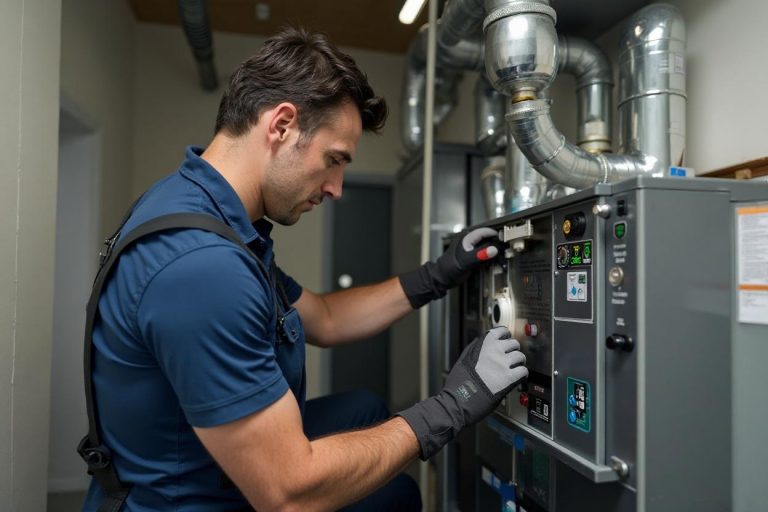
Direct Home Services installs high-efficiency condensing gas furnaces with modulating burners that match heat output to the home’s load. These systems deliver comfort gains that homeowners notice in the first week. They also provide Energy Star performance when set up with correct duct static and thermostat programming.
Brands and Local Expertise
Middlefield homeowners often ask about brand differences. The company services and repairs Goodman, Bryant, York, and Rheem on a daily basis. For high-end installations, Carrier, Trane, Lennox, American Standard, and Mitsubishi hybrid solutions all have a place, depending on coil match, venting path, and budget. As a Carrier authorized specialist, Direct Home Services offers Infinity series furnaces that combine high AFUE ratings with quiet, steady heat and industry-leading control boards.
Maintenance is brand-agnostic but detail-heavy. For example, some Rheem models have pressure switch arrangements that are sensitive to drain restrictions. Certain Goodman units respond well to recalibrating blower tables after duct changes. Lennox condensing furnaces may require specific condensate trap cleaning steps. These brand nuances make a difference on the coldest night.
Local Coverage and Response
The company provides rapid gas furnace services across Middlefield and Rockfall in the 06455 zip code and supports the 06481 area as well. Located just down the road from Lyman Orchards, the team reaches Lake Beseck neighborhoods, Reeds Gap, Baileyville, and Jackson Hill quickly. Calls from the Coginchaug River valley, as well as homes near Wadsworth Falls State Park, often see the same-day appointment window. Neighboring towns such as Middletown, Durham, Meriden, Wallingford, and Higganum are in the standard service area.
Common Problems a Tune Up Prevents
Many no-heat calls trace back to small maintenance items. A dirty flame sensor triggers ignition lockout after a second or two of flame, leading the furnace to try again and again. A clogged air filter raises static pressure, trips the limit switch, and causes short cycling. A weakened ignitor draws proper current cold but cracks under heat. A poorly sloped vent pipe allows condensate to pool, which restricts draft and triggers pressure switch faults. Clearing these issues during a planned visit avoids a 2 a.m. emergency visit during a blizzard.
Technicians also look for early signs of a cracked heat exchanger, which can arise from years of over-temperature operation due to airflow restrictions. Small hairline fractures expand under heat. Early detection prevents a dangerous situation and gives the homeowner a clear, documented reason to consider replacement before failure.
What Homeowners Can Do Between Visits
Simple habits support the furnace all year. Replace the air filter on schedule and keep a spare on the shelf. Clear return grilles and supply registers of furniture and drapes. If the system uses a condensate pump, listen for new noises and check the discharge tube a few times per season. With propane furnaces, make sure the tank has adequate level heading into late fall and that the regulator is protected from snow and ice.
Thermostat habits matter as well. Pick a consistent schedule and avoid frequent, large set point swings. That pattern stresses heat exchangers and shortens component life. For homeowners in older Rockfall colonials, draft sealing around attic hatches and rim joists reduces the workload on the furnace and evens out room-to-room temperatures.
Installing or Replacing a Furnace in Middlefield
A replacement is a chance to solve comfort gaps, noise issues, and high utility bills in one move. The team performs an on-site load calculation, examines duct static pressure, and checks return and supply sizing. That dictates whether a two-stage or modulating furnace makes sense, along with the needed blower capability. For many Middlesex County homes, a 96 to 98% AFUE unit with variable-speed airflow and a MERV 11 media filter delivers steady heat and clean air without choking the system.
Direct Home Services provides Energy Star rated systems and offers financing options to spread cost responsibly. Installations follow Connecticut mechanical codes and manufacturer venting tables. The result is a furnace that starts clean, drafts correctly, and meets the expected AFUE in real use.
How Tune Ups Interact With Warranties and Codes
Most manufacturers require annual maintenance to keep parts warranties intact. Control boards log ignition attempts and faults. If a failed gas valve or ignitor shows a history of lockouts that tie to a dirty flame sensor and no maintenance records, warranty coverage can be questioned. A dated service report avoids that hassle.
Connecticut code compliance also matters. CT S-1 licensed technicians understand local venting requirements through sidewall terminations, condensate disposal rules, and combustion air needs for tight homes. A tune up visit is a chance to correct old venting angles, missing support straps, or improper clearances from snow lines, particularly important near Powder Ridge where drifting is common.
Why homeowners book early fall tune ups
Booking in September or early October brings two advantages. First, parts availability is strong and pricing on service visits is predictable. 24-hour gas furnace repair Second, any repairs can be scheduled without the pressure of a same-day no-heat emergency. The company’s $99 Seasonal Furnace Safety Inspection is built for this window. Homeowners get a full report, including combustion readings, temperature rise, static pressure, and notes on parts nearing failure, such as a draft inducer motor with rising noise or a limit switch showing heat stress.
Frequently Asked Questions for Middlefield Homes
How long does a tune up take? Most visits run 60 to 90 minutes for a standard natural gas furnace. High-efficiency condensing models can take a bit longer due to condensate and secondary exchanger checks.
What if the technician finds a cracked heat exchanger? The furnace is shut down for safety. The team provides photos, readings, and options. In most cases, replacement is the responsible path. They offer free estimates and temporary heat solutions if needed.
Does a tune up lower bills? Yes, by restoring proper airflow, gas input, and clean combustion. Many homes see a noticeable reduction over a full season, especially if the starting point was a clogged filter and dirty burners.
Is maintenance different for propane furnaces? The process is similar, but the technician confirms correct LP orifice sizing, manifold pressure, and checks for regulator freeze risks. Venting and drain steps are the same on condensing units.
Will Direct Home Services service my brand? The company maintains and repairs all major makes, including Rheem, Bryant, Goodman, York, Carrier, Trane, Lennox, and American Standard. They also support Mitsubishi hybrid systems where a furnace works with a heat pump for dual fuel efficiency.
What to expect on a Direct Home Services visit
Homeowners get a punctual arrival, shoe covers, and a clear explanation of findings. The technician documents readings and photos. If a repair makes sense, pricing is presented before work begins. CT S-1 licensed and NATE-certified status is standard across the team, which keeps installations and repairs code-compliant and consistent. Emergency dispatch runs 24/7 during storms and deep cold, serving Middlefield, Rockfall, and the wider Coginchaug Valley.
When maintenance is not enough
Some systems reach a point where repair dollars chase one part after another. Frequent limit trips, erratic staging, and rising gas use often point to an undersized return, leaking ducts, or a furnace that has aged out. In these cases, an energy audit of the home’s envelope and duct system can pair with a new furnace to solve the root causes. Direct Home Services walks homeowners through a practical plan: seal obvious duct leaks, add return capacity where feasible, and replace the furnace with a properly sized two-stage or modulating model. The result is quieter operation, fewer temperature swings, and lower bills through the hardest weeks of winter.
Ready for winter in Middlefield
A gas furnace tune up is the simplest way to improve safety and efficiency before the first freeze. It protects the heat exchanger, stabilizes combustion, and brings airflow into spec. In Middlefield, CT, where the weather tests every part of a heating system, that preparation pays off.
Direct Home Services provides full gas furnace services, from annual tune ups and emergency heating service to furnace installation and heating system replacement. The team serves homeowners near Powder Ridge, Lyman Orchards, and across 06455 with quick response and clear, honest work. Schedule the $99 Seasonal Furnace Safety Inspection today, ask about financing on Energy Star rated systems, and enjoy a quiet, steady furnace when the next cold front rolls through.
Direct Home Services provides HVAC repair, replacement, and installation in Durham, CT. Our team serves homeowners across Hartford, Tolland, New Haven, and Middlesex counties with energy-efficient heating and cooling systems. We focus on reliable furnace service, air conditioning upgrades, and full HVAC replacements that improve comfort and lower energy use. As local specialists, we deliver dependable results and clear communication on every project. If you are searching for HVAC services near me in Durham or surrounding Connecticut towns, Direct Home Services is ready to help.
Direct Home Services
57 Ozick Dr Suite I
Durham,
CT
06422,
US
Phone: (860) 339-6001
Website: https://directhomecanhelp.com/
Social Media: Facebook | Instagram
Map: Google Maps